Building Resilient Health Systems and Healthy Communities
MAMTA, we believe resilient health systems are the foundation of sustainable development. Strong healthcare delivery ensures that communities remain healthy, productive, and prepared for future challenges. Drawing on over three decades of expertise in Reproductive, Maternal, Newborn, Child and Adolescent Health (RMNCHA), communicable diseases, non-communicable diseases, and ageing, MAMTA has consistently advanced inclusive and equitable health solutions across India and beyond.
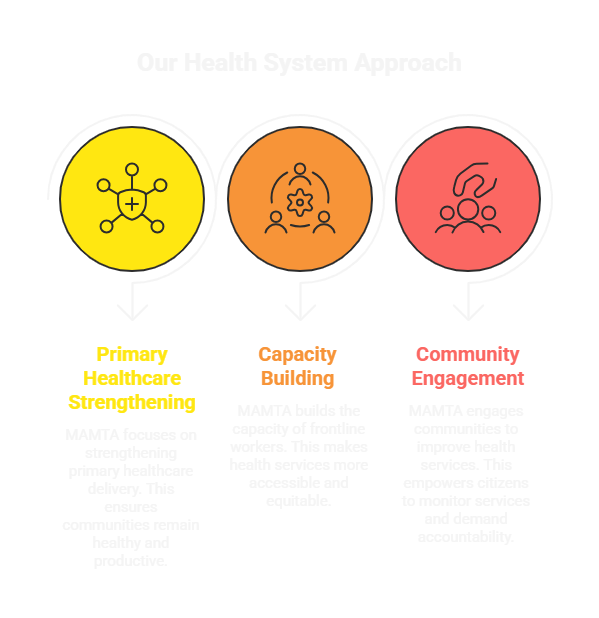
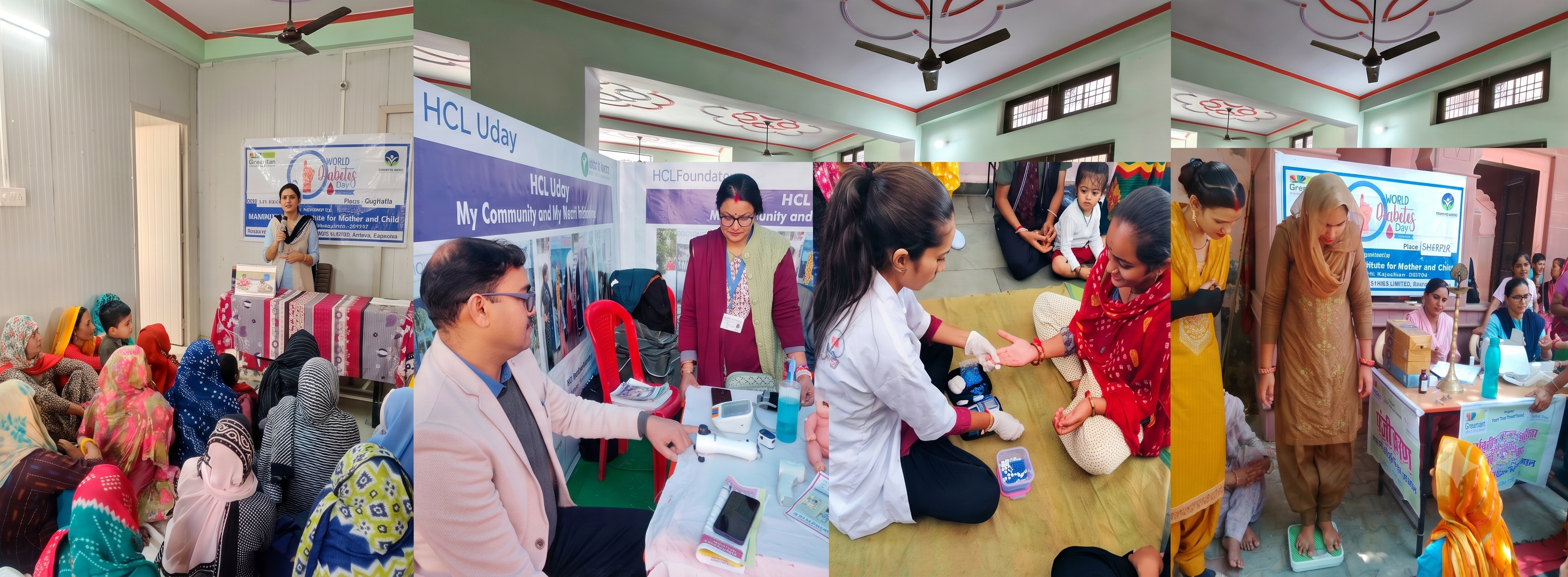
Our work focuses on primary healthcare strengthening, capacity building of frontline workers, and community engagement to make services more accessible. Through initiatives like the Integrated Maternal and Child Health Program, we have trained thousands of ASHAs and Anganwadi workers to deliver essential services in maternal health, child nutrition, and reproductive health. In communicable disease control, MAMTA has supported communities in HIV/AIDS and TB prevention, while simultaneously addressing the rising burden of non-communicable diseases such as diabetes, hypertension, and cancers through early detection and communitybased management.
During the COVID19 pandemic, MAMTA leveraged digital health innovations such as mobilebased messaging platforms to provide accurate information and connect families to care. We also empower communities through Village Health Sanitation and Nutrition Committees (VHSNCs), enabling citizens to monitor services and demand accountability. This participatory approach has improved trust and service delivery across districts.
Recognizing the demographic shift towards an ageing population, MAMTA has expanded its interventions to promote healthy ageing, focusing on preventive care, mental health, and social support systems for the elderly. By combining policy advocacy, grassroots training, and digital solutions, MAMTA continues to build health systems that are resilient, inclusive, and futureready.
Our vision is clear: healthier communities lead to stronger economies, and resilience begins with equity and access for all.